








Friday, February 01
10:24.59
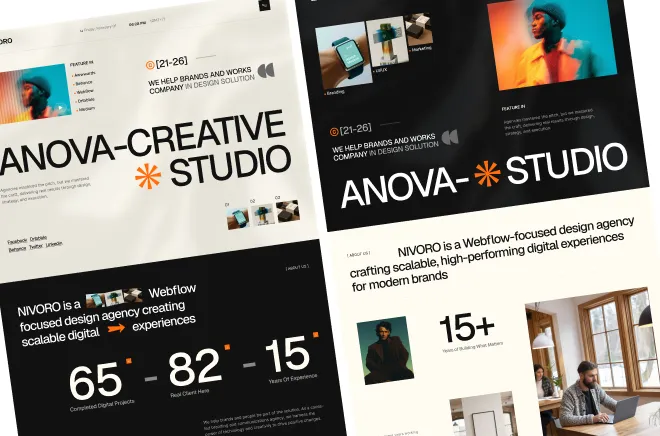
Ready to launch, MCP 2.0 ready agency template.
Available for new project


FlowCart was growing rapidly but their user experience wasn't scaling with them. New features were added incrementally without design cohesion, creating a cluttered interface that confused users. Mobile conversion rates lagged desktop by 30%, and customer support was overwhelmed with navigation-related questions. They needed a complete UX redesign grounded in user research and a scalable design system to prevent future fragmentation.

We conducted extensive user research to understand where friction existed, redesigned every user journey with clarity as the north star, and built a comprehensive design system that became their template for future growth.
Cluttered Interface Creating User Friction
FlowCart's interface had accumulated features without design strategy. Users were overwhelmed by choice, confused about next steps, and struggling to complete purchases on mobile. Navigation patterns were inconsistent, icons weren't universally understood, and the checkout flow had 7 steps when it could have 3. Support tickets were increasing weekly, and churn analysis showed users abandoning carts due to friction, not price concerns.
Key issues identified:



User Research → UX Redesign → Design System
We started with research: user interviews, usability testing, analytics analysis. We discovered that users didn't want more features — they wanted clarity. They wanted to know: What's my next step? What will this button do? Where's the information I need? From these insights, we redesigned every screen with progressive disclosure — showing only essential information, revealing options as needed. We collapsed 7-step checkout to 3 decisive steps. We created consistent patterns that users could learn and predict.
Then we built the design system: every component documented, every interaction pattern explained, every layout template provided. We made it so developers could build new features correctly without asking designers each time.
Key deliverables:


What We Learned About Scaling Design
This project showed us that great design systems aren't about pixel perfection — they're about enabling teams:


